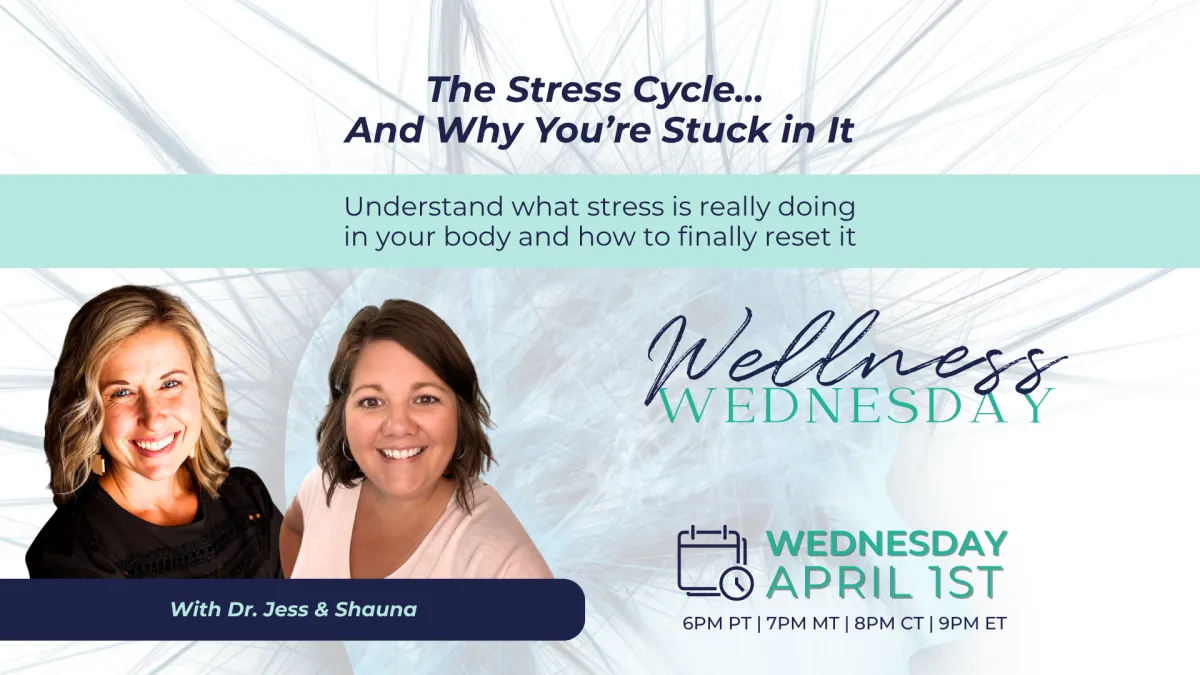
The Stress Cycle And Why You Are Stuck In It
Stress Is Not Just Mental It Is Biological
Most people think of stress as something that lives in the mind. A busy schedule. A tough conversation. A long to do list. But stress is not just a thought process. It is a full body response.
When your brain perceives a threat whether real or emotional your nervous system activates a cascade of physiological changes. Your heart rate increases. Hormones like cortisol and adrenaline are released. Your body prepares to fight flee or freeze.
This is not a flaw. It is a survival mechanism. The problem is not the stress itself. The problem is what happens after.
What Is The Stress Cycle
The stress cycle is the complete loop your body goes through when responding to and recovering from stress.
It starts with a trigger and ends when your body receives the signal that you are safe again. In an ideal situation this cycle completes naturally. Your body returns to baseline. Your breathing slows. Your muscles relax. Your mind settles.
However, modern life rarely allows that full resolution.
Instead of completing the cycle, many people jump from one stressor to the next without giving their body the chance to process and release the response. This leaves the nervous system in a constant state of activation.
Signs Your Stress Cycle Is Not Completing
When the stress cycle remains open, your body starts to show it in subtle and not so subtle ways.
You may feel tired but unable to rest. Your mind races even when you are exhausted. You feel on edge or easily overwhelmed. Sleep becomes inconsistent. Energy levels fluctuate. Your immune system weakens.
These are not random symptoms. They are signals that your body is still trying to finish what it started.
Why Most People Stay Stuck
The modern world rewards productivity and constant motion. Slowing down is often seen as a luxury rather than a necessity.
But the body does not work that way.
Ignoring stress does not resolve it. Pushing through does not complete the cycle. In fact, it often reinforces the pattern of chronic stress.
Many people were simply never taught that the body needs intentional closure after stress. Without that awareness, the cycle remains open day after day.
How To Complete The Stress Cycle
The good news is that completing the stress cycle does not require drastic life changes. It requires small intentional actions that signal safety to your body.
Movement
Physical activity is one of the most effective ways to close the stress loop. Walking stretching or even shaking out tension can help discharge built up stress energy.
Breathwork
Slow controlled breathing tells your nervous system that the threat has passed. Deep breathing exercises can shift your body from a stress response to a state of calm.
Emotional Release
Talking with someone you trust or even journaling your thoughts allows your brain to process what happened rather than holding onto it.
Connection
Safe social interaction can regulate your nervous system. Feeling seen heard and supported sends powerful signals of safety to your body.
Rest And Stillness
Intentional rest is not a weakness. It is a biological requirement. Moments of stillness help your body reset and recover fully.
Why This Matters For Your Long Term Health
When stress cycles remain incomplete over time, the body stays in a low level state of activation. This can contribute to burnout hormonal imbalance sleep disruption and weakened immunity.
Completing the cycle regularly helps restore balance. It improves mental clarity emotional stability and physical resilience.
This is not about eliminating stress. It is about teaching your body how to move through it effectively.
A Simpler Way To Think About Stress
Stress is not something you need to fight or avoid completely. It is something your body is designed to handle.
But it needs your support to finish the process.
When you begin to recognize the signs and give your body what it needs, stress becomes something you move through rather than something you stay stuck in.
Final Thoughts
The stress cycle is one of the most overlooked aspects of wellness. Yet it plays a critical role in how you feel every single day.
Understanding it is the first step. Practicing simple ways to complete it is where real change happens.
This is exactly what we explore in this week’s Wellness Wednesday conversation with Dr Jess. Practical insights. Real life tools. And a new way to understand what your body has been trying to tell you all along.
